Understanding the Mix Board: What Is It?
In the realm of creative collaboration, the concept of a mix board serves as a pivotal tool that streamlines the ideation process. This dynamic environment enables teams to visualize, explore, and refine ideas effectively. As projects become increasingly complex, the need for a structured yet flexible platform is essential for harnessing the collective creativity of team members.
Defining the Mix Board in Creative Workflows
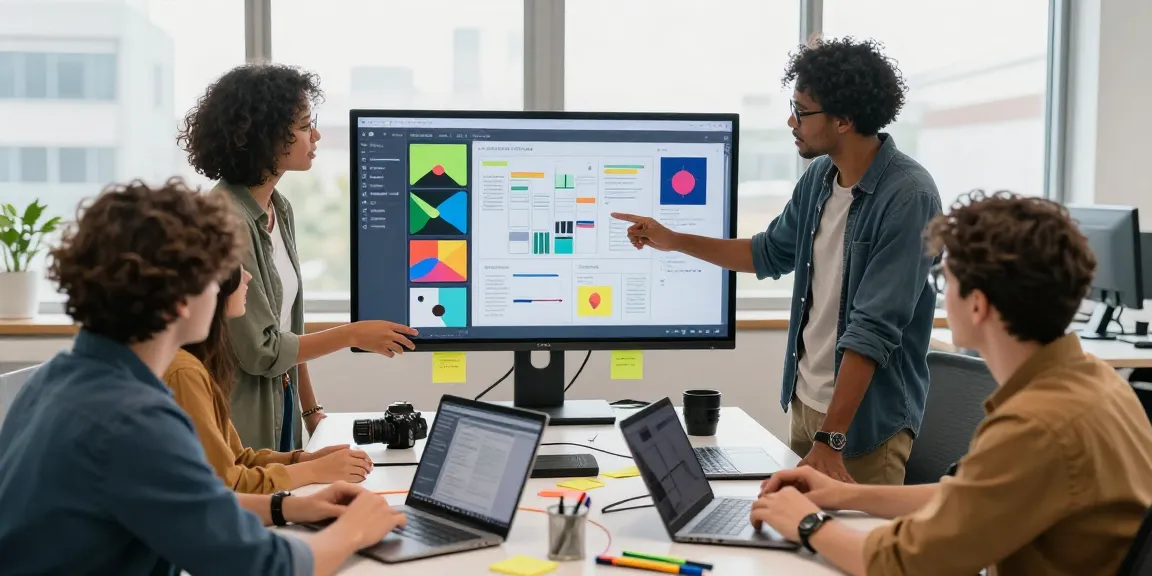
A mix board can be understood as a digital canvas that facilitates brainstorming and collaboration. It acts as a central hub where ideas can be collected, organized, and manipulated, allowing teams to pull together visuals, text, and other resources in a cohesive manner. This approach not only enhances creativity but also ensures that all team members are engaged and aligned throughout the project lifecycle.
The Evolution of Mixing Concepts in Design
Over the years, the landscape of collaborative design has transformed significantly. The emergence of generative AI technologies has led to innovative platforms that empower teams to work in previously unimaginable ways. Traditional whiteboards have evolved into sophisticated digital mix boards, where the blend of creativity and technology opens up new possibilities for visual storytelling and complex problem-solving.
Key Benefits of Using a Mix Board in Team Projects
- Enhanced Collaboration: Mix boards encourage real-time collaboration, enabling distributed teams to work together seamlessly, regardless of geographic constraints.
- Organized Ideas: By structuring brainstormed concepts on a visual platform, teams can avoid confusion and ensure all ideas are captured.
- Increased Efficiency: Teams can quickly iterate and refine ideas, significantly reducing the time from concept to execution.
- Visual Communication: Using graphics and layouts improves understanding and can help convey complex information more clearly.
How to Set Up Your Mix Board for Maximum Efficiency
Setting up an efficient mix board requires careful planning and the right tools. Choosing the correct software and layout is crucial for optimizing the brainstorming experience. For example, utilizing a platform like mix board can provide a structured yet flexible environment conducive to creativity and exploration.
Choosing the Right Tools for Your Mix Board
The choice of tools can significantly influence how effectively a mix board functions. There are various software options available, each with unique features aimed at enhancing collaboration. Tools should ideally support features like drag-and-drop interfaces, real-time updates, and integrations with other creative software to cater to diverse workflow needs.
Designing Your Canvas Layout for Optimal Brainstorming
Creating an intuitive layout is essential for maximizing the effectiveness of your mix board. Visual hierarchy, clear labeling, and organized sections help team members navigate the canvas easily. Consider using grids or templates that guide users in placing elements logically, ensuring that everyone understands the workflow and can contribute without confusion.
Integrating Generative AI for Enhanced Creativity
Incorporating generative AI into your mix board expands creative possibilities. These technologies can suggest variations on ideas, generate new visuals based on prompts, and even analyze existing concepts for further refinement. The integration of AI not only enhances creativity but also allows teams to explore a wider range of solutions, fostering innovation.
Best Practices for Collaborative Brainstorming
Effective brainstorming sessions are built on a foundation of best practices that encourage participation and creativity. By following these guidelines, teams can ensure that all voices are heard and that the collaborative process yields fruitful outcomes.
Encouraging Participation and Idea Sharing
To foster a culture of openness, it's crucial to create an environment where team members feel comfortable sharing their ideas. This can be achieved through structured sessions that prompt participation and allow for anonymous contributions, ensuring all team members can share without fear of judgment.
Structuring Sessions for Better Outcomes
Implementing a clear structure for brainstorming sessions can lead to more productive discussions. Begin by setting specific goals for the session, such as generating a certain number of ideas or focusing on a particular challenge. Time limits and rotating facilitators can also maintain energy and focus within the group.
Utilizing Visual Elements to Foster Understanding
Incorporating visual elements into brainstorming sessions can significantly enhance comprehension and engagement. Visual aids, such as diagrams, sketches, and even multimedia presentations, can help clarify ideas and inspire creativity among team members.
Case Studies: Successful Implementation of Mix Boards
Exploring real-world examples of mix boards in action can provide valuable insights into their effectiveness in various industries. Here are a few notable case studies that exemplify how teams have leveraged this powerful tool.
Real-World Examples from Creative Industries
In the advertising sector, teams using mix boards have successfully developed campaigns by rapidly iterating concepts and visuals. For instance, a leading agency employed a mix board to collaborate on a national campaign, allowing designers, copywriters, and strategists to experiment with layouts and messaging simultaneously. This led to a final pitch that was not only cohesive but also resonated deeply with the target audience.
Lessons Learned from Team Collaborations
One key takeaway from successful mix board implementations is the importance of flexible structures. Teams that allowed for spontaneous creativity within a structured framework found that they could navigate complex ideas more effectively. This combination resulted in innovative solutions that surpassed traditional brainstorming methods.
Innovation Sparks from Mix Board Sessions
Another notable example comes from the tech industry, where a software development team utilized a mix board to explore features for a new product. By visualizing user flows and iterating on design elements collectively, they identified critical insights that led to a more user-friendly interface, resulting in increased customer satisfaction and engagement post-launch.
Future Trends: The Evolution of Mix Boards in 2026 and Beyond
As collaborative tools continue to evolve, mix boards are set to become even more integral to creative workflows. Advancements in technology and changes in workplace dynamics will shape their future applications.
Emerging Technologies Enhancing Collaborative Tools
New technologies, including augmented reality and virtual collaboration environments, are poised to revolutionize how teams interact with mix boards. Imagine a virtual space where team members can manipulate elements in 3D, providing a deeper understanding of design concepts and facilitating richer interactions.
Predictions for the Future of Digital Collaboration
Experts predict that by 2026, mix boards will become customizable to the extent where teams can tailor their interfaces based on project type or personal preferences. This level of personalization will enhance user experience, making it easier for teams to adapt tools to their workflows.
Preparing Your Team for Upcoming Changes
Adapting to these advancements will require teams to remain open to new tools and techniques. Regular training sessions on emerging technologies will be critical in ensuring team members are equipped to utilize future mix board capabilities effectively.
Frequently Asked Questions
What is a mix board?
A mix board is a digital platform designed for collaborative brainstorming, enabling team members to visually organize and refine ideas in real-time.
How can a mix board enhance team collaboration?
The mix board fosters collaboration by providing a shared space where ideas can be visualized, discussed, and iterated upon, enhancing communication and engagement among team members.
Are there specific tools recommended for using a mix board?
Popular tools for creating mix boards include GoJelly, Miro, and Conceptboard, each offering unique features tailored for collaborative ideation and project management.
Can mix boards be used for remote collaboration?
Absolutely! Mix boards are designed for real-time collaboration, making them ideal for remote teams to brainstorm and work together seamlessly across different locations.
What are the key features of an effective mix board?
An effective mix board includes features such as real-time editing, templates for various project types, integrations with other tools, and capabilities for visual storytelling to maximize the creative process.