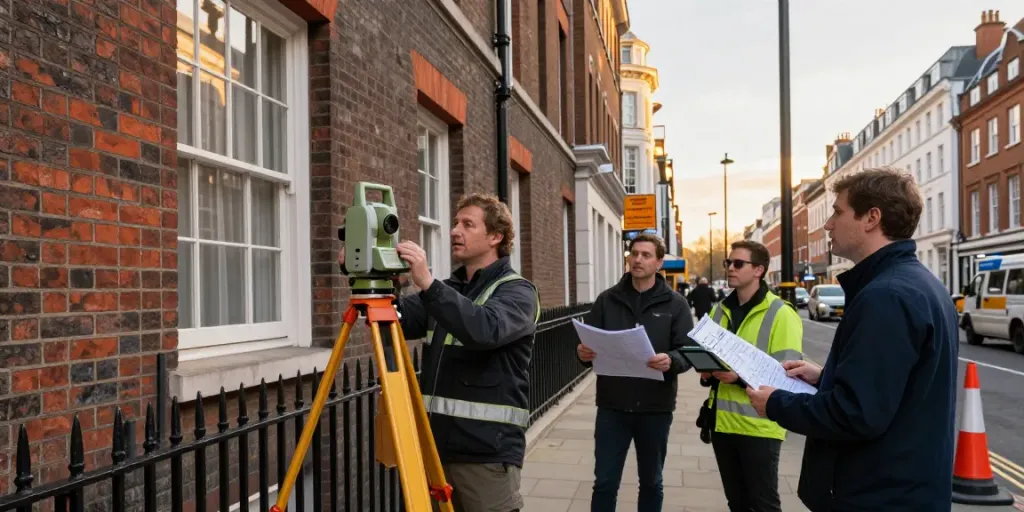
The Importance of Measured Building Surveys in Surrey
Measured building surveys play a crucial role in the planning and execution of construction projects, especially in the dynamic regions of Surrey. These surveys provide precise data about existing buildings, allowing architects, engineers, and property developers to make informed decisions. In an era where urban development is on the rise, having a comprehensive understanding of a building's dimensions and structural characteristics is essential. For property professionals and stakeholders, Measured Building Survey Surrey services can significantly enhance project outcomes by ensuring accuracy and compliance with local regulations.
Understanding Measured Building Surveys
A measured building survey is an in-depth process that involves capturing the precise measurements of a building's structure. This includes dimensions, layouts, elevations, and various architectural details necessary for design and planning. The data collected during these surveys is crucial for creating accurate drawings and models that reflect the actual conditions of a property.
Benefits for Property Development
The benefits of conducting measured building surveys are manifold. Firstly, they help identify the structural integrity of existing buildings, which can inform renovation or restoration projects. Secondly, accurate data allows for better planning and design, reducing the risks of costly errors during construction. Moreover, having detailed measurements is invaluable when applying for planning permissions, ensuring that proposals are realistic and compliant with local building codes.
Key Technologies Used in Surveys
Modern measured building surveys leverage advanced technologies such as 3D laser scanning and total stations. These tools allow surveyors to capture millions of data points swiftly and accurately, producing high-quality 3D models and drawings. The precision of these technologies not only enhances the quality of the survey but also speeds up the process, which is particularly advantageous in fast-paced urban environments.
Common Challenges in Measured Surveys
Identifying Measurement Errors
One of the greatest challenges in conducting measured building surveys is the potential for measurement errors. These can arise from a variety of factors, including equipment calibration issues, human error during data collection, and environmental factors such as weather conditions. To mitigate these risks, surveyors must employ rigorous quality control procedures and use reliable equipment to ensure the accuracy of their measurements.
Adapting to Urban Environments
Surveying in urban environments, such as those found in Surrey, presents unique challenges. The presence of complex building layouts, overhead obstructions, and dense infrastructure can complicate the surveying process. Surveyors must be adept at navigating these challenges while ensuring that they adhere to local regulations and safety standards.
Client Misconceptions about Surveying
Many clients may have misconceptions about the necessity and scope of measured building surveys. Some may perceive them as unnecessary expenses, failing to recognize their critical role in ensuring project success. Educating clients about the long-term benefits of accurate surveys—such as avoiding costly redesigns and ensuring compliance with planning regulations—is essential for fostering a better understanding of these services.
Best Practices for Conducting Surveys
Choosing the Right Survey Equipment
Selecting the appropriate equipment is vital for the success of a measured building survey. Surveyors must choose tools that suit the specific requirements of their projects, balancing precision with efficiency. This may involve using ground-penetrating radar for subterranean utility mapping or high-definition laser scanners for building interiors.
Understanding Local Regulations and Standards
Compliance with local regulations is paramount in the surveying process. Surveyors must stay updated on planning policies and building codes in Surrey to ensure their surveys meet all legal requirements. This knowledge helps in producing documents that can withstand scrutiny during planning applications.
Collaboration with Other Professionals
Effective measured building surveys often involve collaboration with architects, engineers, and local authorities. By working closely with stakeholders, surveyors can gain insights into project requirements and address specific concerns from the outset. This collaborative approach not only enhances the quality of the survey but also helps streamline the overall development process.
Case Studies of Successful Measured Surveys in Surrey
Residential Projects: Lessons Learned
In residential projects throughout Surrey, measured building surveys have proven invaluable in identifying critical structural issues that may have been overlooked during initial planning. For example, a recent survey conducted on a Victorian-era property revealed significant subsidence issues that necessitated immediate attention before renovations could begin.
Commercial Developments: Precise Planning
For commercial developments, accurate measured surveys facilitate effective space planning and efficient workflow design. One case involved a corporate office where precise surveys helped design an optimal layout for workspaces that enhanced productivity while adhering to safety regulations.
Historic Restorations: Challenges and Solutions
When dealing with historic buildings, measured building surveys are essential for preservation efforts. A notable example is the restoration of a heritage site in Surrey, where detailed surveys revealed original architectural features that had been covered over time. By accurately documenting these elements, the restoration team could ensure they were preserved in the final design.
Future Trends in Measured Building Surveys
Impact of Emerging Technologies in Surveying
The future of measured building surveys is poised for transformation due to advancements in technology. Innovations such as artificial intelligence and machine learning are beginning to play a role in data analysis, helping surveyors interpret complex datasets more efficiently and accurately.
The Role of Drone Technology in Surveys
Drone technology is becoming increasingly important in the surveying field, particularly for large-scale projects. Drones equipped with high-resolution cameras can quickly survey vast areas, capturing high-quality imagery and data that can be integrated into existing surveying systems.
Predictions for the Industry in 2026 and Beyond
Looking ahead, the measured building surveying industry is expected to embrace more automation and digital solutions. By 2026, we may see a significant shift towards fully integrated surveying systems that combine data collection, analysis, and project management into a single platform. This will enhance efficiency and accuracy, allowing property developers and surveyors to deliver better results to their clients.
What is a measured building survey?
A measured building survey is a detailed documentation of a building's dimensions, layout, and structural attributes, crucial for various construction projects.
How much does a measured building survey typically cost?
The cost of a measured building survey can vary based on the size and complexity of the project, but it is generally considered a wise investment due to the value it adds during the development process.
What are the main uses of measured building surveys?
Measured building surveys are commonly used for renovations, restorations, and new constructions, providing essential data for design and compliance with building regulations.
Do I need a measured survey for my property?
If you are planning any significant work on your property, a measured survey is often necessary to ensure that all aspects of the project are accurately planned and executed.
How long does a measured survey take?
The duration of a measured building survey depends on the size of the property and the complexity of the survey requirements, but most surveys can be completed within a few days.